-
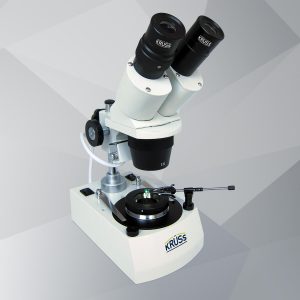
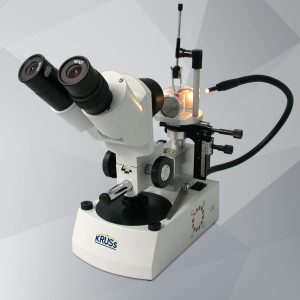
Gem microscope
508,13 €Microscope with incident and transmitted light, dark-field illumination (dark-field condenser), ideal for viewing the outlines of low-contrast inclusions
incl. VAT
+ Shipping costs
Add to cart -
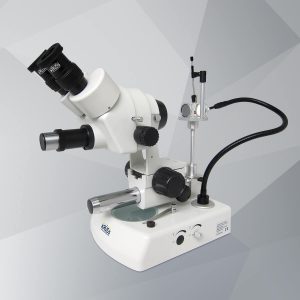
Immersion microscope
1.769,53 €Horizontal microscope for examinations in immersion liquids, in demand when disturbing reflections on surfaces or stone facets are to be avoided
incl. VAT
+ Shipping costs
Add to cart -
Immersion microscope zoom
2.734,62 €Powerful stereo microscope with a large zoom range and large working distance, enabling observations with a high depth of field
incl. VAT
+ Shipping costs
Add to cart -
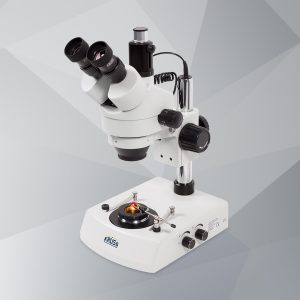
Gem microscope zoom
1.238,79 €Powerful stereo microscope with a large zoom range and large working distance, enabling observations with a high depth of field
incl. VAT
+ Shipping costs
Add to cart -
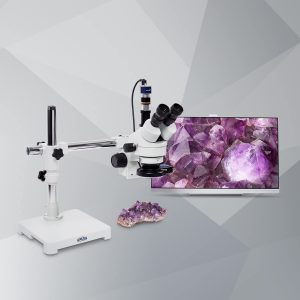
Stereo zoom microscope with swivel arm
1.435,14 €Swing-arm microscopes offer maximum working distance and flexibility. Ideal for viewing and precisely testing of set gemstones and minerals.
incl. VAT
+ Shipping costs
Add to cart -
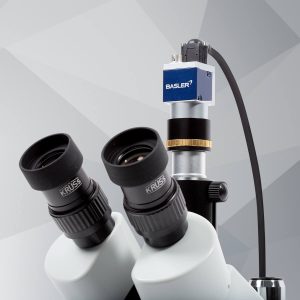
Ace12 microscope camera
2.011,10 €Camera that can be easily connected to almost all commercially available microscopes. Ideal for data archiving and photo editing
incl. VAT
+ Shipping costs
Add to cart -
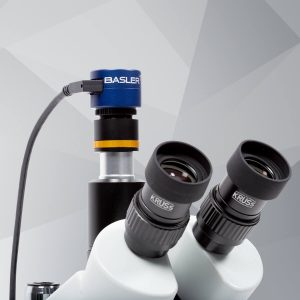
Microscope Camera Pulse5
1.167,39 €Microscope camera, with which you can easily and easily take photos of gemstones with optimal quality. Ideal for documentation and image editing of gemstone photos
incl. VAT
+ Shipping costs
Add to cart -
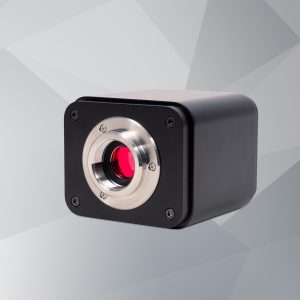
Microscope camera MKTV5
1.047,20 €Special camera that produces perfect microscope photos simply and easily
incl. VAT
+ Shipping costs
Add to cart -
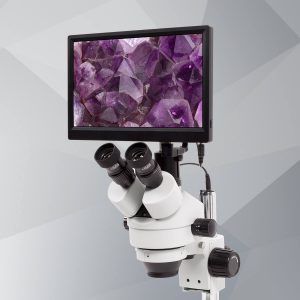
MKTV5 display
496,23 €Very well suited for the clear presentation of microscopic examinations with excellent image quality
incl. VAT
+ Shipping costs
Add to cart -
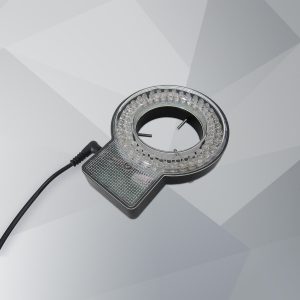
Daylight ring light LDR72
249,90 €Universal daylight ring light with 72 LEDs, ensures optimal illumination of the microscope.
incl. VAT
+ Shipping costs
Add to cart -
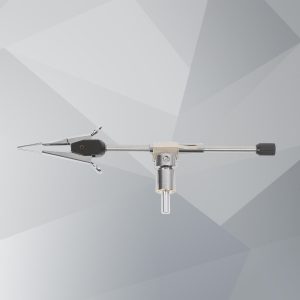
Stone holder SR10
82,11 €Stone holder for holding gemstones while using the microscope
incl. VAT
+ Shipping costs
Add to cart -
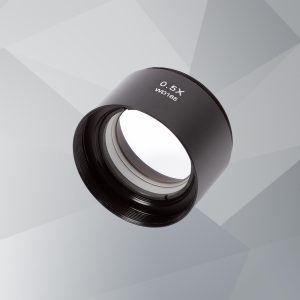
Objective lens MSZ5405-N
135,66 €Objective 0.5x for magnification 3.5x – 20x
incl. VAT
+ Shipping costs
Add to cart
-
MKTV5 display
496,23 €Very well suited for the clear presentation of microscopic examinations with excellent image quality
incl. VAT
+ Shipping costs
Add to cart -
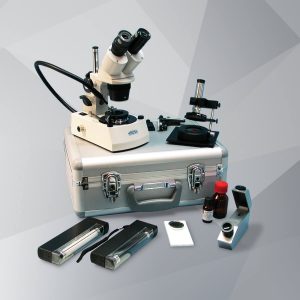
Small mobile gemstone laboratory KA41KRS
3.700,90 €Fully equipped, high-quality and mobile test laboratory, offers standard equipment of gemological devices that experts need
incl. VAT
+ Shipping costs
Add to cart -
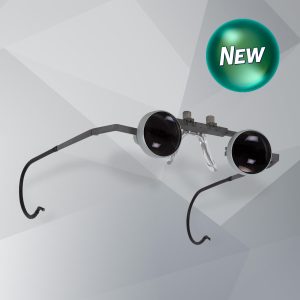
Magnifying Glasses / Triplet LB010
708,05 €Magnifying glasses: Working distance: 270-300 mm, eye relief: 56-74 mm, field of view diameter: 50 mm, magnification: 2.3x.
incl. VAT
+ Shipping costs
Read more -
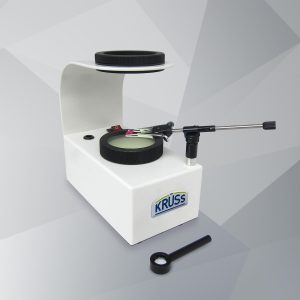
Table-top polariscope PK 14 LED
305,83 €High-quality table-top device with an integrated, mains current-operated LED light source for investigating optical properties.
incl. VAT
+ Shipping costs
Add to cart